
9/30/2024
The Sandy Hook Elementary School shooting, which took place on December 14, 2012, in Newtown, Connecticut, remains one of the most devastating tragedies in recent U.S. history. The horrific event claimed the lives of 20 children and 6 teachers, shocking the nation and the world. While this mass shooting sparked urgent conversations about gun control, mental health, and school safety, it also gave rise to a dark wave of conspiracy theories. These false theories propagated online, continue to affect how the tragedy is discussed today. This post delves into the origins of the Sandy Hook conspiracy theories, the methods used to promote them, and how public perception has shifted over time.

Sandy Hook was a national tragedy that led to widespread grief and a renewed effort for stronger gun control legislation. President Obama, visibly tearing up, called for reform, and debates over gun safety intensified across the U.S. However, almost immediately after the shooting, conspiracy theories began circulating, claiming the event had been staged by the government to push anti-gun laws through.
The most infamous promoter of these theories was Infowars host Alex Jones, who falsely claimed that the shooting was a hoax orchestrated by the using “crisis actors.” These ideas quickly gained traction among those already “suspicious” of the government and mainstream media. Instead of viewing the massacre as a real and very sad event, conspiracy theorists painted it as a lie, a stance that has since been debunked in multiple investigations and court rulings.
A mix of online forums, YouTube channels, and social media platforms allowed these claims to reach millions of people. The influence of confirmation bias cannot be understated. People felt inclined to distrust government narratives and were more likely to believe these theories, reinforcing their pre-existing suspicions about the “deep-state”. In fact, research has shown that such biased thinking patterns make individuals particularly vulnerable to accepting conspiracy theories in times of national crisis
Several tactics were employed to spread the Sandy Hook conspiracy theories. Emotional manipulation was a central method, where supporters of the hoax theory used images and videos of grieving families to argue that these individuals were “actors”. By sensationalizing small inconsistencies in the chaotic and fast-moving coverage of the tragedy, conspiracy theorists were able to present these as proof of a larger, more sinister plot.
Another tactic involved false expertise. Alex Jones and others portrayed themselves as “investigative journalists” by uncovering hidden truths and positioning themselves as authorities in the minds of their followers. This tactic convinced many people that these alternative narratives were more credible than the mainstream media was reporting on. This phenomenon is not new. Historical studies on conspiracy theories have long identified the role of self-proclaimed “experts” in legitimizing crazy fringe ideas.
Additionally, social media platforms, through their engagement-driven algorithms, amplified these false narratives. Sensational, emotionally charged content gets more interaction on platforms like Facebook and YouTube, which contributed to the spread of the hoax theory across millions of users.
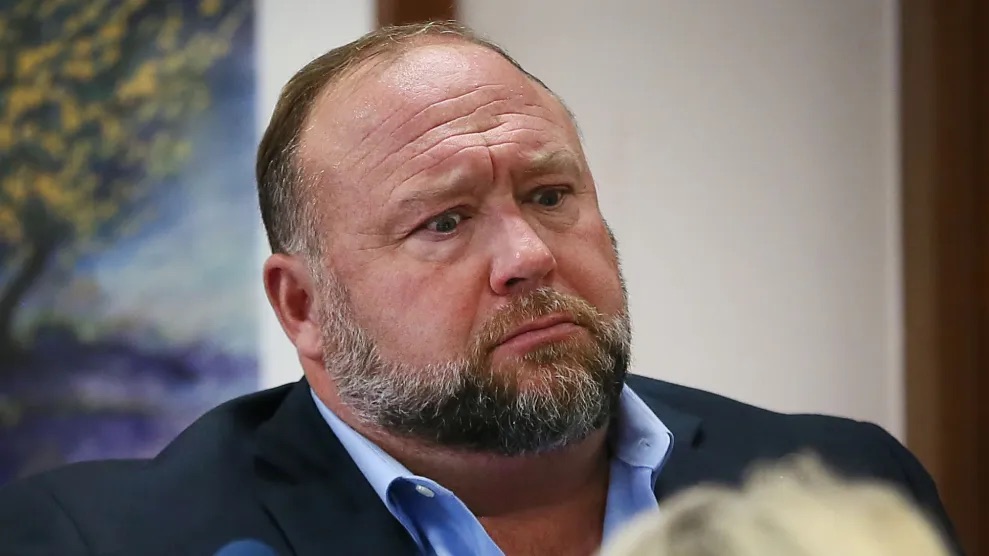
Although the conspiracy theories surrounding Sandy Hook have been debunked over time, they are still active in some parts of the internet. However, there has been significant progress in combating all of this misinformation. Several families of the victims filed lawsuits against Alex Jones and others who promoted the hoax theory. In 2022, Jones was ordered to pay nearly $1 billion in damages for defamation and emotional distress caused by his false claims. This ruling marked a major victory in the battle against conspiracy theorists and set a legal precedent for holding them accountable.
The controversy surrounding Sandy Hook reveals the dangers of misinformation and the problem with how conspiracy theories can spread rapidly in the digital age. While legal actions and public education efforts have made strides in taking down the hoax narrative, the event serves as a reminder of the powerful influence of disinformation. The fight to protect the truth of Sandy Hook’s tragic reality continues, but society has made significant progress toward acknowledging the real pain and grief experienced by those families.
 Tyler's Media Diary
Leave a comment